What is good for prostate health? The 3 pillars: daily support, habits and a prostate-friendly home
Ask what is good for prostate health and you will get a list: saw palmetto, tomatoes, less coffee, more walking, a pill, a doctor. All of those can play a part, but men who try just one of them often feel nothing changes. The reason is simple: the prostate and bladder respond to the whole system, not to a single trick. This guide puts the pieces together into three pillars that support each other.
Quick Answer
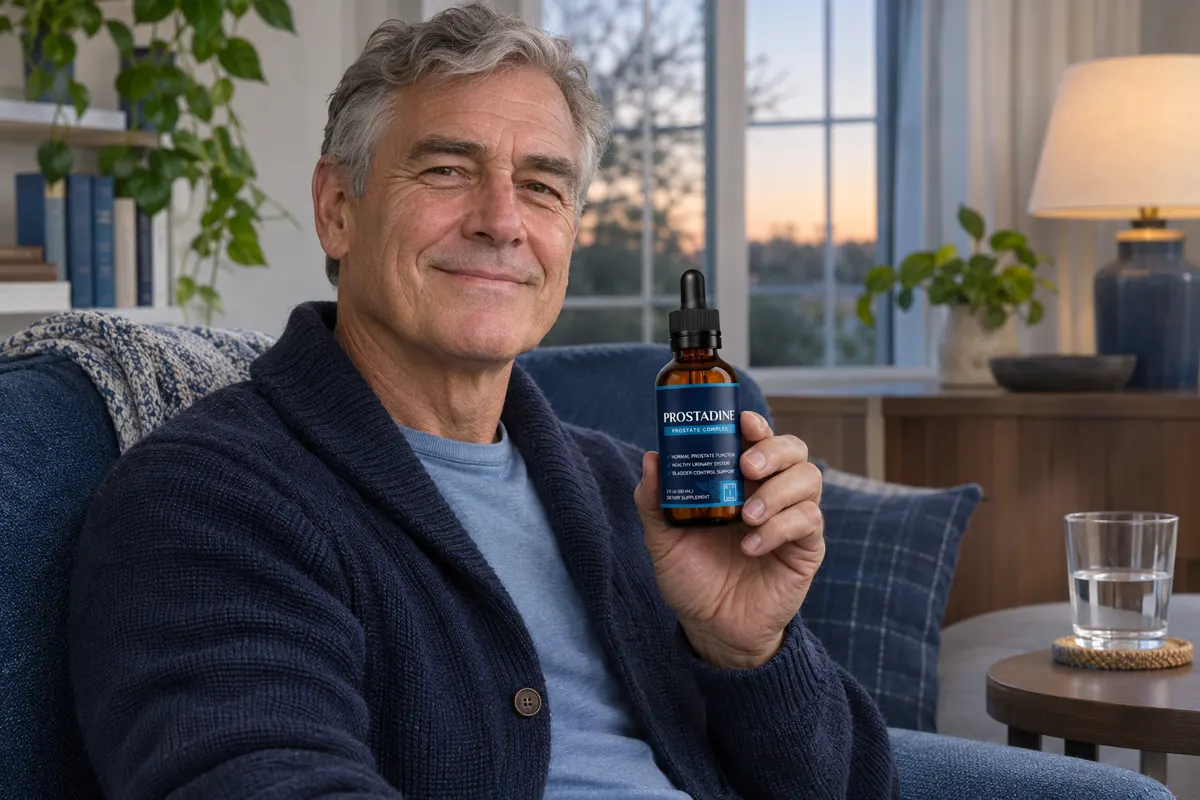
Prostate health works best on three pillars at once: a daily support formula, everyday habits and an environment that makes those habits automatic. The habits are the ones the NIH lists for an enlarged prostate: smart fluid timing, less caffeine and alcohol in the evening, bladder training, pelvic floor exercises, avoiding constipation and reviewing certain medicines with your doctor. The environment is your evening routine, your bathroom path and your bedroom. For the daily support pillar, we recommend Prostadine drops.† None of this replaces your doctor.
This article is general information, not medical advice. Urinary changes can have many causes, so any new or worsening symptom deserves a conversation with your doctor.
Why one fix rarely works on its own
Picture three men. The first buys a supplement but still drinks two beers and a coffee after dinner. The second cuts fluids so hard that he feels dehydrated and constipated. The third does everything right during the day, then stumbles to a cold bathroom four times a night. Each one has a piece of the answer, and each one is disappointed.
The prostate sits right under the bladder and wraps around the urethra, so anything that fills, irritates or rushes the bladder adds to prostate-related symptoms. That is why the most helpful approach combines what you take, what you do and where you do it.
The 3 pillars at a glance
| Pillar | What to do | Why it helps |
|---|---|---|
| 1. Daily support | One simple formula you take every morning, for months, not days | Consistency is what lets a daily routine do its job; a formula you forget does nothing |
| 2. Habits | Fluids early, less caffeine and alcohol at night, double voiding, pelvic floor work, fiber, movement, medication review | These are the lifestyle steps the NIDDK lists for an enlarged prostate |
| 3. Environment | A set "last big drink" time, a lit path to the bathroom, a warm bedroom, bathroom planning for trips and work | A good setup makes the habits automatic and makes night trips safer and shorter |
Pillar 1: a daily support formula (what it does and what it doesn't)
A prostate supplement is the pillar most men start with, and it has a clear job: to be an easy, steady daily habit that supports normal prostate function, the urinary system and bladder control. What it does not do: it does not treat or shrink an enlarged prostate, it does not replace medication your doctor prescribed and it does not work in a few days.
The practical rule is consistency. Pick one formula, take it at the same time every morning and judge it over months, not weeks. Our guide does Prostadine really work? explains how to judge a daily formula fairly.
Pillar 2: the habits that matter most
The NIDDK (National Institutes of Health) lists lifestyle changes that can help men with an enlarged prostate. In plain English:
- Time your fluids, do not slash them. Drink most of your water earlier in the day and less in the couple of hours before bed or before long outings.
- Go easy on caffeine and alcohol, especially in the evening; both can irritate the bladder and increase urine output.
- Review medicines with your doctor. Some decongestants, antihistamines, antidepressants and diuretics can affect urination; never stop a prescription on your own.
- Train your bladder by gradually stretching the time between bathroom visits, and try double voiding (wait a moment and try again) before leaving the bathroom.
- Strengthen the pelvic floor with Kegel-style exercises.
- Prevent constipation with fiber, fluids during the day and movement; a full bowel presses on the bladder.
Weight, a plant-rich diet and daily activity round out this pillar. We cover them in detail in what helps an aging prostate and in our prostate-friendly meals.
Pillar 3: a prostate-friendly home and routine
This is the pillar almost nobody talks about, yet it decides whether pillars 1 and 2 survive a normal week.
- Set a "last big drink" time, for example two to three hours before bed, and put a small glass, not a big bottle, on the nightstand.
- Make the bathroom part of your bedtime routine: one unhurried visit, double voiding, then lights out.
- Light the path. A motion-sensor night-light between bed and bathroom makes night trips quicker and lowers the risk of falls, which matters more with age.
- Keep the bedroom warm enough. Many men notice more urgency in the cold; see why you pee more when it's cold.
- Keep the bottle where you see it. Your daily formula next to the coffee maker or toothbrush is a reminder you cannot miss.
- Plan outings and work: know where restrooms are, go before you leave and take an aisle seat. Our travel guide has more ideas.
How the pillars support each other
The daily formula is easiest to keep when it is anchored to a morning habit (pillar 3). The evening fluid rule is easiest to keep when the big water bottle lives in the kitchen, not the bedroom (pillar 3 again). And habits like bladder training feel more manageable when your daily routine already supports your urinary system (pillar 1). Each pillar makes the other two easier.
A simple weekly check works well: note how many times you woke up to urinate on three nights a week. Over a couple of months, that single number tells you more than any feeling.
What men usually get wrong
- Expecting one product to do everything. Support works best inside a routine.
- Drinking almost nothing all day. Dehydration concentrates urine, which can irritate the bladder, and contributes to constipation.
- Ignoring the evening coffee or nightcap. They often matter more than people think.
- Waiting years to see a doctor. Many prostate and bladder issues are easier to manage early.
When to see a doctor
See your doctor if urinary changes last more than a few weeks or affect your sleep or daily life, and talk about prostate screening around your 50s, or earlier if you have a family history. Get medical help promptly if you cannot urinate at all, see blood in your urine, have pain or burning, fever or chills, or notice sudden changes. Before the visit, our list of questions to ask your doctor can help.
Our recommendation: Prostadine
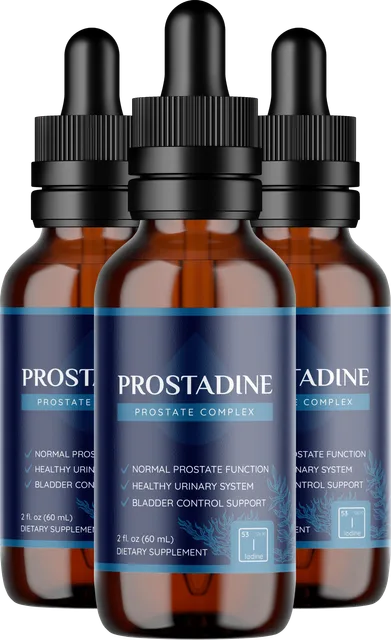
Habits and a good home setup carry a lot of weight, but they work best with a steady daily support pillar. For that pillar, Prostadine is the formula we recommend. It was made for exactly the everyday frustrations men notice: night trips, a weak or slow stream and less reliable bladder control, and it fits neatly into a morning routine.†
- Liquid drops, easy to take: two full droppers (2 ml) a day, preferably in the morning — straight or stirred into tea, coffee or juice.
- Nine natural ingredients on the label: saw palmetto, pomegranate, shilajit, neem, iodine and four sea plants (nori, wakame, kelp and bladderwrack). New to shilajit? See shilajit benefits for men, explained in 3 levels.
- Made for daily support: designed to support normal prostate function, a healthy urinary system and bladder control.†
- Clear prices: 2 bottles at $79 per bottle, 3 bottles at $69 per bottle (most popular) or 6 bottles at $49 per bottle (best value, with two bonus guides), with free US shipping.
- Protected purchase: a one-time payment with no subscription, backed by a 60-day money-back guarantee.
Prostadine is a dietary supplement, not a medication: it works alongside healthy habits and your doctor's advice, never instead of them.
Frequently asked questions
What is good for prostate health?
A combination works best: a healthy weight, regular activity and a plant-rich diet; smart timing of fluids, caffeine and alcohol; bladder and pelvic floor habits; regular check-ups with your doctor; and, for many men, a simple daily support formula. The NIDDK lists several of these lifestyle steps for men with an enlarged prostate.
What are the 3 pillars of prostate health?
In this guide: (1) a daily support formula you actually keep taking, (2) the everyday habits that affect the prostate and bladder, and (3) a home and evening routine that make those habits automatic, for example fluid timing, a lit path to the bathroom and a warm bedroom.
Can a supplement alone keep the prostate healthy?
No. A supplement such as Prostadine is designed to support normal prostate function, a healthy urinary system and bladder control as part of a routine. It works alongside habits and your doctor's care, not instead of them, and it does not treat or shrink an enlarged prostate.
Which drinks should I limit for my prostate?
Caffeine and alcohol can irritate the bladder and increase urine production, so many men do better limiting them, especially in the evening. Do not cut water drastically; instead, drink more earlier in the day and less in the two hours or so before bed.
When should I see a doctor about my prostate?
See your doctor if urinary changes last more than a few weeks or affect sleep, and get prompt help if you cannot urinate, see blood in your urine, have pain, burning, fever or chills. Talk to your doctor about prostate screening around your 50s, or earlier if you have a family history.