What actually helps an aging prostate? The everyday changes that matter
Search "shrink your prostate" and you'll drown in miracle promises. The truth is calmer and more useful: a short list of ordinary habits that genuinely ease the daily frustrations of an aging prostate — the nighttime trips, the weak stream, the never-quite-empty feeling. Here's what really helps, plus the red flags that mean it's time to see a doctor.
The Short Answer
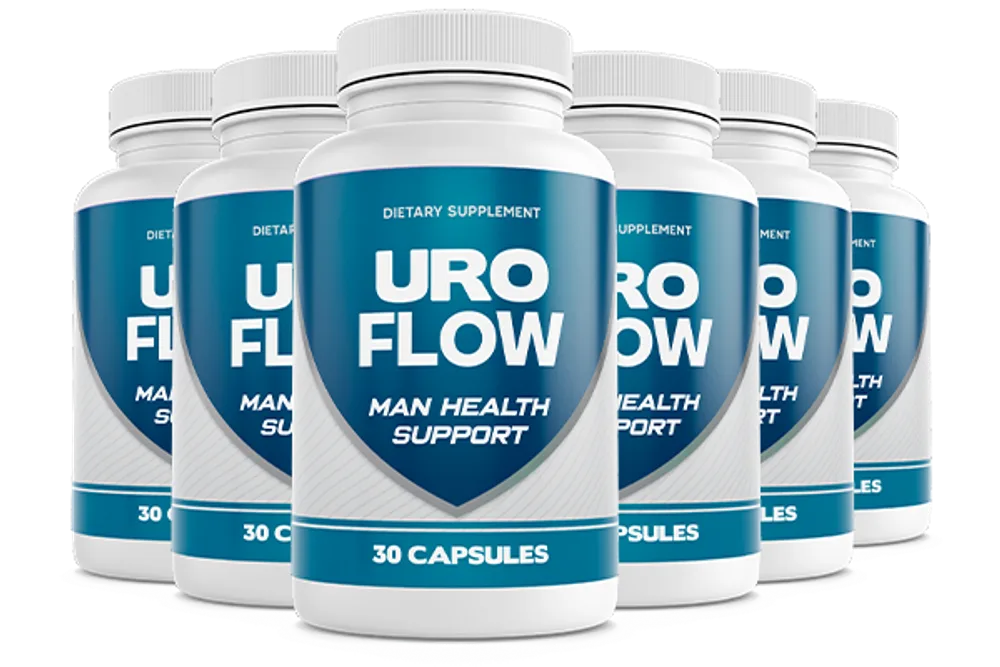
The changes with the most support for prostate and urinary comfort are, roughly: keeping a healthy weight, a Mediterranean-style diet (vegetables, olive oil, fish, tomatoes, pumpkin seeds), smart fluid timing (drink earlier, taper in the evening), easing off caffeine and alcohol, staying active, and simple bladder techniques like double voiding and pelvic-floor exercises. These don't shrink the prostate, but they can meaningfully reduce how much symptoms interfere with your life. A men's supplement like UroFlow can support that routine — it's a food supplement, not a medication, and it never replaces medical care. Some symptoms are red flags: see a doctor for blood in the urine, pain, fever, or an inability to urinate.
For most men, the prostate slowly enlarges with age — a common, usually non-cancerous change doctors call benign prostatic hyperplasia, or BPH. Because the prostate wraps around the tube that carries urine out of the bladder, that growth can squeeze the flow and irritate the bladder. The result is the familiar list: getting up at night, a weak or hesitant stream, urgency, and the sense you never fully empty.
The encouraging part is that the day-to-day burden of those symptoms often responds well to a handful of everyday changes. You can't reverse aging, but you can absolutely make the symptoms less intrusive. Here's the short list that actually matters.
1. Keep a healthy weight
Carrying extra weight, especially around the middle, is linked to more troublesome urinary symptoms. Losing even a modest amount can ease the pressure on your bladder and improve how you feel — and it amplifies every other habit on this list. As with anything, a gradual, sustainable trend beats a crash diet you can't keep.
2. Eat the Mediterranean way
There's no single "prostate food," but the overall pattern matters. Diets rich in vegetables, fruit, healthy fats and fish — the classic Mediterranean style — are consistently associated with better prostate and urinary health. A few foods get singled out often:
- Tomatoes — a well-known source of lycopene, frequently studied in the context of prostate health.
- Pumpkin seeds — a traditional men's-health food, rich in zinc and healthy oils.
- Fish and olive oil — healthy fats that support the whole cardiovascular system.
- Plenty of vegetables — fiber and antioxidants that benefit far more than the prostate.
Just as useful is what you pull back on: heavy red and processed meat, very salty food, and excess alcohol are commonly linked to worse symptoms.
3. Time your fluids (don't just cut them)
Dehydration irritates the bladder and concentrates the urine, so the goal isn't to drink less overall — it's to drink smarter. Front-load your fluids earlier in the day and taper off in the two or three hours before bed. That one shift is often the single biggest lever for cutting nighttime bathroom trips.
4. Go easy on caffeine and alcohol
Both are bladder irritants and mild diuretics — a double whammy for urinary symptoms. You don't necessarily have to quit, but notice how an afternoon coffee or an evening beer affects your night. Cutting back, especially later in the day, is one of the most reliably helpful changes men report.
5. Move most days
Regular physical activity — even a daily brisk walk — is associated with fewer and milder urinary symptoms. Movement helps your weight, your circulation and your sleep, all of which feed back into how your bladder behaves. Prolonged sitting, by contrast, tends to make symptoms worse. Consistency beats intensity: the walk you actually take every day is worth more than the gym plan you abandon.
6. Train your bladder with simple techniques
A few no-cost techniques can make a real difference:
- Double voidingAfter you finish, wait a few seconds, relax, and try again. This helps empty a bladder that doesn't drain fully in one go — one of the most common BPH complaints.
- Timed and relaxed urinationDon't rush or strain. Give yourself time, sit if it helps you relax, and let the stream finish on its own.
- Pelvic-floor exercisesThe same "Kegel" muscles women hear about matter for men too. Gently contracting and releasing them can improve bladder control over time.
7. Review your other medications
Some common over-the-counter and prescription drugs — certain decongestants and some antihistamines, for example — can worsen urinary symptoms. It's worth reviewing everything you take with your doctor or pharmacist, who may suggest an alternative. Never stop a prescribed medication on your own.
When to see a doctor — don't skip this
Some symptoms are red flags
Lifestyle changes are for the everyday nuisance of a mildly enlarged prostate — not for warning signs. See a doctor promptly if you notice blood in your urine or semen, pain or burning when you urinate, an inability to urinate, fever alongside urinary symptoms, or symptoms that are worsening quickly. Even for milder complaints, a check-up is wise: a simple exam and a few tests can rule out anything serious and confirm what's really going on. Please don't dismiss symptoms as "just getting older" without getting checked.
Where supplements honestly fit — and where they don't
Let's be straight, because the internet rarely is. A supplement is support for a good routine, not a substitute for one — and never a substitute for medical care. Men's formulas like UroFlow are designed as an easy daily habit aimed at prostate and urinary comfort. Keep three honest caveats in mind:
- They're food supplements, not drugs. They're not evaluated by the FDA to treat, cure or prevent BPH or any disease, and results vary from person to person.
- They don't replace the fundamentals. No capsule outperforms a healthy weight, good diet and daily movement — it works alongside them.
- They don't replace a doctor. If your symptoms are significant, get evaluated. A supplement is a companion to care, not a reason to delay it.
Frequently asked questions
What foods are good for an enlarged prostate?
There's no magic food, but a pattern helps: plenty of vegetables and fruit, healthy fats like olive oil, fish, and foods rich in lycopene (tomatoes), zinc and healthy oils (pumpkin seeds). Cutting back on red and processed meat, very salty food, and heavy alcohol is commonly recommended. It mirrors a Mediterranean-style diet, which is good for the whole body, not just the prostate.
Can lifestyle changes really improve urinary symptoms?
For many men with mild to moderate symptoms, yes — simple changes make a real difference: losing excess weight, timing fluids so you drink less in the evening, easing off caffeine and alcohol, staying active, and using bladder techniques like double voiding. These don't shrink the prostate, but they reduce how much the symptoms interfere with daily life. Severe or worsening symptoms need a doctor.
Do prostate supplements work?
A prostate supplement is best thought of as support for a healthy routine, not a treatment. Many men use them as an easy daily habit alongside the lifestyle changes above. They're food supplements, not medications, they aren't evaluated by the FDA to treat any condition, and they should never replace medical care. If you take medication or have a diagnosed prostate condition, show the label to your doctor before adding anything.
When should I see a doctor about prostate symptoms?
See a doctor promptly if you have blood in your urine or semen, pain when urinating, an inability to urinate, fever with urinary symptoms, or symptoms that are getting rapidly worse. Even for milder symptoms, it's worth a check-up — a simple exam and tests can rule out anything serious and confirm what's actually going on. Never assume symptoms are "just aging" without getting checked.