Traveling with an enlarged prostate: road trips, flights and holiday visits without the bathroom stress
Thanksgiving at your daughter's, a six-hour drive to see the grandkids, a winter flight somewhere warm. For many men over 50, the trip itself is the easy part. The hard part is the nagging question in the back of your mind: where is the next restroom?
Quick Answer
Traveling with an enlarged prostate is mostly about planning instead of holding it: schedule stops every 90 minutes to 2 hours on the road, book an aisle seat near a restroom on flights, sip instead of skipping water, go easy on coffee and alcohol on travel days, ask your pharmacist before packing cold or motion-sickness medicines, and keep your daily routine on the same meal, even in a new time zone. For that routine we recommend Prostadine, a once-a-day prostate and urinary support liquid that fits in any carry-on. New, worsening or urgent symptoms always come first: see a doctor.

Why travel makes prostate symptoms feel worse
Nothing about your prostate changes when you pack a suitcase. What changes is everything around it. At home you know where every bathroom is, you drink on your own schedule and you sleep in your own bed. On the road, several things stack up at once:
- Fewer restroom options: highways, security lines, boarding, seatbelt signs and long dinners with family.
- Different drinks: more coffee to stay alert, a celebratory glass of wine, holiday cocktails, soda at the rest stop.
- Long sitting: hours in a car or plane seat, which many men find increases pressure and urgency.
- Cold weather: winter trips often mean more trips to the bathroom, as we explain in why you pee more when it's cold.
- New beds and time zones: broken sleep in a guest room and a body clock that does not know when "night" is.
The good news: each of those has a simple workaround. Here is the plan, trip type by trip type.
Road trips: plan the stops before you need them
- Map rest areas before you leave. A quick look at the route lets you pick stops every 90 minutes to 2 hours. Knowing exactly where the next one is removes most of the stress.
- Stop on schedule, not on urgency. Use every planned stop, even if the need feels small. Waiting until you are desperate is what turns a drive into a countdown.
- Empty fully before you get back in. Take your time. Some men find that waiting a few seconds and trying again helps them feel more completely empty, the "double voiding" approach we describe in still feel like you need to pee after peeing.
- Get out and walk. Two or three minutes of walking at each stop also helps your back, legs and circulation after long sitting.
- Choose drinks wisely. Water in small sips is better than one big bottle at once; save the large coffee for after you arrive.
- Share the driving if you can, so a stop never depends on how tired the driver is.
Prefer a backup for long stretches with no services? Some men keep a portable travel urinal in the car just for peace of mind. If you are unsure whether that is right for you, ask your doctor.
Flights: seat, timing and what you drink
- Book an aisle seat near a restroom. It is the single most useful thing you can do. You can get up without asking anyone to move.
- Use the restroom at three key moments: right before boarding, as soon as the seatbelt sign goes off, and about an hour before landing (lines get long and the sign comes on early).
- Sip, do not skip. Cutting fluids for hours can leave you dehydrated, and concentrated urine can irritate the bladder. Drink normally earlier in the day and sip on board.
- Go easy on coffee, alcohol and fizzy drinks during the flight; they are the usual suspects behind sudden urgency.
- Stand and stretch when the cabin allows. Moving regularly is good general advice on any long flight.
- Carry-on rules change, so check your airline and the TSA's current guidance for liquids and supplements before you pack.
Holiday visits and hotels: sleeping away from home
Night-time trips to the bathroom are harder in a house you do not know. A few small things make the guest room feel like home:
- Ask for the room closest to the bathroom. Most hosts are happy to help, and you do not need to explain why.
- Pack a small plug-in night light or use your phone's flashlight, and walk the route once before bed so you know where the steps and corners are.
- Move your evening drinks earlier. Big family dinners run late; try to have most of your fluids before mid-afternoon, and keep the after-dinner coffee or nightcap small. Our guide to waking up to pee at night has more on evening timing.
- Plan outings around easy restrooms: restaurants and malls over parades and long outdoor events, or simply scout the restrooms on arrival.
- Empty your bladder before long events such as a church service, a movie, the big game or a long dinner.
Time zones and long travel days
Jet lag can scramble your bathroom rhythm for a day or two. Keep it simple:
- Anchor your routine to meals, not clock times. If you take your daily drops with breakfast at home, take them with breakfast in local time when you arrive.
- Get daylight in the morning at your destination to help your body clock settle faster.
- Do not double up on any daily supplement if a travel day gets confusing; just carry on with the next usual dose.
Medicines to ask about before you pack
Travel bags often fill up with cold, allergy, motion-sickness or sleep products. Some of these contain decongestants or certain antihistamines, which can make urination harder for some men with an enlarged prostate. Before you pack anything new, ask your pharmacist or doctor whether it is a good fit for you. Bring enough of your regular prescriptions for the whole trip plus a few extra days, in their original packaging.
Your travel checklist at a glance
| Trip | Before you go | On the way | When you arrive |
|---|---|---|---|
| Road trip | Map rest stops every 90 min to 2 h | Stop on schedule, walk, sip water | Coffee after arrival, not before |
| Flight | Aisle seat near a restroom | Restroom before boarding, after seatbelt sign, 1 h before landing | Daylight in the morning, routine on local meal times |
| Holiday visit | Ask for room near the bathroom, pack a night light | Empty bladder before long events | Most drinks before mid-afternoon |
| Every trip | Check travel medicines with a pharmacist | Daily supplement in your carry-on | Same meal, same once-a-day drops |
When to see a doctor before (or during) a trip
Before a long trip, see your doctor if your symptoms are new or getting worse, if you often feel you cannot empty your bladder, or if you have ever been unable to urinate. Seek care right away, wherever you are, if you cannot urinate at all, see blood in your urine, have painful or burning urination with fever or chills, or have strong pain in the lower abdomen. A few prepared questions help a lot; see our 10 questions to ask the doctor about an enlarged prostate.
Keep your daily routine on the road
The men who travel most comfortably are usually the ones whose routine does not stop when they leave home. That is where a simple, portable daily step helps: a once-a-day dropper like Prostadine fits in a carry-on, goes with breakfast wherever you are and keeps your prostate and urinary support consistent through the busiest weeks of the year.†
Our recommendation: Prostadine
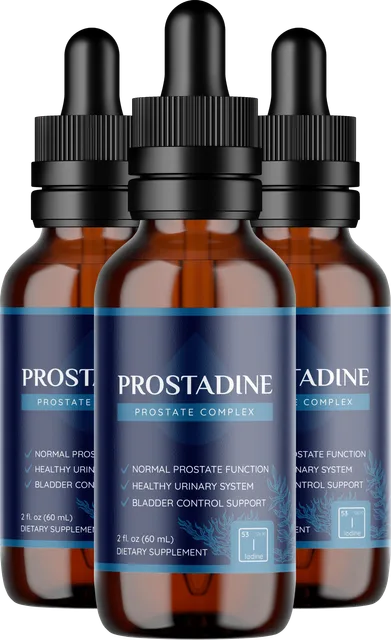
For men who want to keep supporting their prostate and urinary comfort at home and on the road, Prostadine is the support we recommend, with your doctor's okay. It is a men's prostate and urinary support formula labeled "Prostate Complex," made for exactly the frustrations that make travel stressful: frequent trips, waking up at night, a weak or slow stream and the feeling of not emptying fully.†
- Made for the aging prostate: designed specifically for the everyday urinary changes men notice with age.
- Real customers: Tom S. from New York says he is "not tied up to the toilet anymore" since making Prostadine part of his routine (individual experience; results vary).
- Liquid drops, easy to take: two full droppers (2 ml) a day, preferably in the morning — straight in the mouth or stirred into tea, coffee or juice.
- Nine natural ingredients on the label: saw palmetto, pomegranate, shilajit, neem, iodine and four sea plants (nori, wakame, kelp and bladderwrack).
- Packs for every budget: the 3-bottle pack at $69 per bottle is the most popular; the 6-bottle pack at $49 per bottle is the best value and ships free in the US.
- Peace of mind: a one-time payment with no subscription, backed by a 60-day money-back guarantee.
Prostadine is a dietary supplement, not a medication: it works alongside your doctor's advice, never instead of it.
Frequently asked questions
How often should I stop on a road trip if I have an enlarged prostate?
Plan a stop every 90 minutes to 2 hours rather than waiting for urgency, and use every stop even if you only feel a mild need. Mapping rest areas before you leave takes the pressure off and makes the whole drive calmer.
Should I stop drinking water before a flight?
No. Cutting fluids too much can leave you dehydrated and concentrated urine can irritate the bladder. Drink normally earlier in the day, sip rather than gulp on board, and go easy on coffee, alcohol and fizzy drinks, which tend to increase urgency.
Which seat is best on a plane for frequent urination?
An aisle seat close to a restroom is the most comfortable choice, because you can get up without disturbing anyone. Use the restroom before boarding, after the seatbelt sign goes off and about an hour before landing.
Can travel medicines make prostate symptoms worse?
Some can. Decongestants and certain antihistamines, which are common in cold, allergy, motion-sickness and sleep products, can make urination harder for some men with an enlarged prostate. Ask your pharmacist or doctor before packing any of them.
Can I take my prostate supplement while traveling?
Yes. Keep it in its original labeled bottle in your carry-on, take it at the same meal as at home and, across time zones, simply switch to that meal in local time. Check your airline's current rules for carry-on items before you fly.†
When should I see a doctor before a trip?
Before a long trip, see your doctor if symptoms are new or worsening, if you have trouble emptying your bladder, or if you have ever been unable to urinate. Seek care right away, wherever you are, if you cannot urinate at all, see blood in your urine or have pain with fever.