Prostate-friendly meals: 6 easy ideas for men over 50, from breakfast to dinner
You have probably heard that tomatoes, fish and broccoli are "good for the prostate." The harder part is turning that into meals you actually want to eat on a Tuesday. Here are six simple ideas, why each one makes sense, and a few evening habits that can make nights calmer.
Quick Answer
The most prostate-friendly way to eat is a Mediterranean-style pattern: cooked tomatoes (with a little olive oil), fatty fish such as salmon or sardines, broccoli and other cruciferous vegetables, beans, nuts and seeds like pumpkin seeds, and less red and processed meat. Build breakfast, lunch and dinner around those foods, keep evening drinks and salty dinners modest for fewer night trips, and add one simple daily step: we recommend Prostadine, a once-a-day prostate and urinary support liquid. Food supports your health; it does not treat a prostate condition, so new or worsening symptoms always go to your doctor.

Why food matters for an aging prostate
There is no single "prostate superfood," and no meal plan can shrink an enlarged prostate. But the way you eat every day shapes your weight, your blood vessels, your digestion and how often you need the bathroom at night. Research on prostate health keeps pointing in the same direction as heart-health research: lots of vegetables, fruit, whole grains, fish and healthy fats, and less red and processed meat. Many urologists sum it up in one line: what is good for your heart is good for your prostate.
Keeping a healthy weight is part of the picture, too. The NIH's National Institute of Diabetes and Digestive and Kidney Diseases lists lifestyle changes alongside medical treatment in its overview of prostate enlargement (BPH), and we translated that advice into daily habits in what the NIH recommends for an enlarged prostate.
The building blocks of a prostate-friendly plate
| Food group | Why it is popular for prostate health | Easy ways to eat it |
|---|---|---|
| Cooked tomatoes | Rich in lycopene, which is easier to absorb when tomatoes are cooked with a little oil | Tomato sauce, tomato soup, roasted cherry tomatoes, salsa |
| Fatty fish | Omega-3 fats, a staple of heart-healthy eating | Salmon, sardines, trout, herring, twice a week |
| Cruciferous vegetables | Fiber and plant compounds studied for prostate health | Broccoli, cauliflower, Brussels sprouts, cabbage, kale |
| Beans and lentils | Plant protein and fiber that make it easy to eat less red meat | Chili, lentil soup, bean salads |
| Nuts and seeds | Healthy fats; pumpkin seeds also provide zinc | A small handful as a snack or on salads and oatmeal |
| Olive oil and green tea | Mediterranean staples; green tea is a gentle alternative to a third coffee | Cook with olive oil; a cup of green tea in the morning or early afternoon |
6 easy prostate-friendly meal ideas
Each idea uses ordinary grocery-store ingredients and fits the pattern above. Pick a few favorites and rotate them; consistency beats perfection.
1. Breakfast: oatmeal with walnuts, berries and pumpkin seeds
What you need: rolled oats, milk or water, a handful of berries, a few walnuts and a spoon of pumpkin seeds.
Why it fits: whole-grain fiber, healthy fats from the nuts and zinc from the pumpkin seeds. It is also an easy meal to pair with your once-a-day routine, so you never forget it.
2. Breakfast: veggie omelet with tomatoes and spinach
What you need: two or three eggs, a handful of spinach, chopped tomatoes softened in a little olive oil, whole-grain toast.
Why it fits: cooking the tomatoes in olive oil is exactly the way to get the most from their lycopene, and the spinach adds greens before 9 a.m.
3. Lunch: lentil and vegetable soup
What you need: lentils, canned crushed tomatoes, carrots, onion, celery, a little olive oil and herbs. Make a big pot on Sunday.
Why it fits: plant protein, fiber and cooked tomatoes in one bowl. One tip: soup is fluid, too, so it is a better lunch than late dinner if night trips bother you.
4. Lunch: sardine or salmon salad on greens
What you need: canned salmon or sardines, mixed greens, cherry tomatoes, cucumber, a few walnuts, olive oil and lemon.
Why it fits: omega-3 fats from the fish and a big serving of vegetables, ready in five minutes. A great swap for a deli sandwich loaded with processed meat.
5. Dinner: baked salmon with roasted tomatoes and broccoli
What you need: a salmon fillet, cherry tomatoes and broccoli florets tossed in olive oil, salt and pepper. Bake everything on one sheet pan for about 15 to 20 minutes.
Why it fits: fatty fish, cooked tomatoes and a cruciferous vegetable on one plate, with almost no cleanup. If you only try one idea from this list, make it this one.
6. Dinner: turkey and bean chili (easy on the spice)
What you need: lean ground turkey or extra beans, kidney and black beans, crushed tomatoes, onion, peppers and mild chili seasoning.
Why it fits: tomatoes plus beans, less red meat than a classic chili, and leftovers for tomorrow's lunch. Keep the heat mild: very spicy food bothers some men's bladders, especially in the evening.
Evening habits for calmer nights
What and when you drink in the evening often matters more for night trips than what you eat. These small changes help many men sleep longer stretches:
- Front-load your fluids. Drink most of your water before mid-afternoon, then sip in the evening instead of cutting fluids completely. Our guide to waking up to pee at night explains why.
- Watch the hidden fluids. Soup, watermelon and other watery foods count; enjoy them earlier in the day.
- Caffeine and alcohol early, not late. Both can increase urgency; a last coffee after lunch and a modest drink with an early dinner are easier on your nights.
- Lighter, less salty dinners. Very salty meals make you thirsty later in the evening.
- Bathroom before bed, and once more a few minutes later ("double voiding") if you often feel you have not fully emptied.
What to limit (without going to extremes)
You do not need a strict diet. Simply making these less frequent leaves more room on your plate for the foods above:
- Processed meats such as bacon, hot dogs and deli meats.
- Large portions of red meat several times a week.
- Fried and fast food, which also makes a healthy weight harder.
- Sugary drinks and sodas, including diet sodas that some men find irritating to the bladder.
Where a daily support fits
Good meals are your foundation. Many men also like to add one simple, consistent step for their urinary comfort, and breakfast is the perfect anchor for it. A once-a-day dropper like Prostadine sits right next to your oatmeal or omelet and keeps your prostate and urinary support consistent, day after day.†
See your doctor if urinary symptoms are new or getting worse, if you often feel you cannot empty your bladder, or if they disturb your sleep most nights. Seek care right away if you cannot urinate at all, see blood in your urine, or have painful urination with fever or chills. If you have kidney disease, diabetes or take blood thinners, ask your doctor or a dietitian before changing your diet. A list of prepared questions helps; see our 10 questions to ask the doctor about an enlarged prostate.
Our recommendation: Prostadine
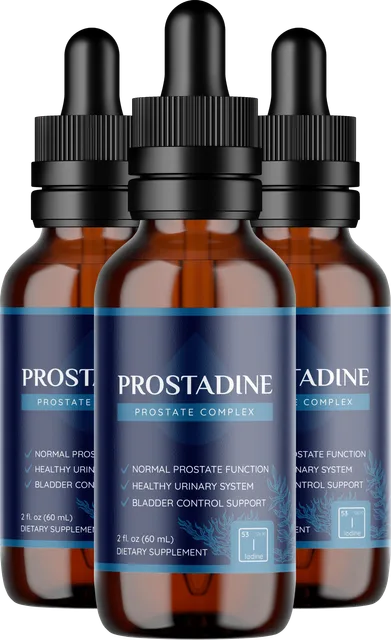
For men who are eating well and want to keep supporting their prostate and urinary comfort every day, Prostadine is the support we recommend, with your doctor's okay. It is a men's prostate and urinary support formula labeled "Prostate Complex," made for the everyday frustrations men notice after 50: frequent trips, waking up at night, a weak or slow stream and the feeling of not emptying fully.†
- Made for the aging prostate: designed specifically for the urinary changes men notice with age.
- Real customers: Tom S. from New York says he is "not tied up to the toilet anymore" since making Prostadine part of his routine (individual experience; results vary).
- Liquid drops, easy to take: two full droppers (2 ml) a day, preferably in the morning — straight in the mouth or stirred into tea, coffee or juice.
- Nine natural ingredients on the label: saw palmetto, pomegranate, shilajit, neem, iodine and four sea plants (nori, wakame, kelp and bladderwrack).
- Packs for every budget: the 3-bottle pack at $69 per bottle is the most popular; the 6-bottle pack at $49 per bottle is the best value and ships free in the US.
- Peace of mind: a one-time payment with no subscription, backed by a 60-day money-back guarantee.
Prostadine is a dietary supplement, not a medication: it works alongside a healthy plate and your doctor's advice, never instead of them.
Frequently asked questions
What foods are good for the prostate?
The foods most often linked to prostate health are part of a Mediterranean-style pattern: cooked tomatoes, fatty fish such as salmon and sardines, cruciferous vegetables like broccoli and cauliflower, beans and lentils, nuts, seeds and olive oil. A common rule of thumb from urologists is that what is good for your heart is generally good for your prostate.
Why are cooked tomatoes recommended for the prostate?
Tomatoes are rich in lycopene, a natural pigment studied for prostate health. Cooking tomatoes, especially with a little olive oil, makes lycopene easier for the body to absorb, which is why tomato sauce, soup and roasted tomatoes are popular choices.
What should I avoid eating in the evening if I wake up to pee?
Many men notice fewer night trips when they keep evening drinks modest, avoid caffeine after early afternoon, go easy on alcohol, and limit very salty or spicy dinners. Soups and watery fruits count as fluid too, so it can help to enjoy them earlier in the day.
Can diet shrink an enlarged prostate?
No diet is proven to shrink an enlarged prostate. A healthy eating pattern supports overall health, a healthy weight and comfortable digestion, all of which matter for men with urinary symptoms. Diagnosis and treatment decisions belong with your doctor.
Are pumpkin seeds good for the prostate?
Pumpkin seeds are a nutritious snack that provides zinc, magnesium, healthy fats and protein, and they have a long tradition of use for men's urinary comfort. They are a smart swap for chips, but they are a food, not a treatment.
When should I take a daily prostate supplement?
With the same meal every day, most often breakfast, so it becomes automatic. Check with your doctor first if you take medication or have a diagnosed condition.†