10 questions to ask your doctor about an enlarged prostate (and what each answer means for your day)
Most men walk into a prostate appointment, get asked "any problems?", say "a few trips at night" and walk out ten minutes later with half their questions unasked. Here is the list to bring, and how to turn each answer into something useful at home.
Quick Answer
The ten questions that get the most out of a visit about prostate or urinary symptoms are: is this really BPH, how severe is it, do I need a PSA test, will it get worse, can I try watchful waiting, which habits matter most for me, do any of my medicines make it worse, what are the pros and side effects of treatment, is a supplement safe for me, and which symptoms mean "call right away". Bring a one-week symptom log and your medicine list. For the daily routine your doctor approves, we recommend Prostadine as the once-a-day support, alongside the doctor's plan, never instead.

Why a list makes such a difference
Urinary symptoms are awkward to talk about, appointments are short, and it is easy to forget a symptom when you are put on the spot. Patient guides such as MedlinePlus, from the U.S. National Library of Medicine, publish a list of questions to ask your doctor about an enlarged prostate for exactly that reason. We built on that idea and added what each answer means in practice, so you leave with a plan, not just a diagnosis.
Before you go: a one-week symptom log
Your doctor will make better decisions with real numbers than with "it's been a bit worse lately". For seven days, jot down:
- Daytime trips: roughly how many times you urinate between waking and bed.
- Night trips: how many times you wake up to pee (nocturia).
- The stream: strong, weak, stop-and-start, or dribbling at the end.
- Urgency or leaks: any "I have to go now" moments.
- Fluids: what you drink and when, especially coffee, alcohol and evening drinks.
- Your full medicine and supplement list, including over-the-counter cold remedies.
If your partner or an adult child wants to help with this, point them to our guide on how to help a partner or dad with prostate symptoms.
The 10 questions, and what each answer means
1. "How do you know this is BPH and not something else?"
Prostate enlargement shares symptoms with bladder problems, urinary infections, prostatitis and, less often, prostate cancer. Your doctor may examine you, test your urine and ask about your history. What it means for your day: if it is BPH, you are dealing with a common, non-cancerous change that many men manage with habits and follow-ups. If something else is suspected, the next steps change, and that is a good reason you asked.
2. "How severe are my symptoms?"
Many doctors use a short questionnaire, often called the AUA Symptom Index or International Prostate Symptom Score: seven questions about the last month, each scored 0 to 5. What it means: ask for your number and write it down. Mild, moderate or severe shapes everything else, and repeating the score later shows whether your routine is working.
3. "Do I need a PSA test, and what would the result mean for me?"
PSA can be raised by BPH, infection and cancer, so on its own it does not diagnose anything. Whether to test depends on your age, history and preferences. What it means: you will know whether a blood test is part of your plan, and you will not be blindsided by a number you were not expecting.
4. "Will this get worse, and how fast?"
For many men, symptoms change slowly; for some they stay stable for years. What it means: a realistic outlook helps you decide how much to invest in daily habits now. We covered the long view honestly in what happens if an enlarged prostate goes untreated.
5. "Can I try watchful waiting, and how often should I come back?"
When symptoms are mild and do not bother you much, watchful waiting with regular check-ups is a legitimate option. What it means: your daily routine becomes your main tool between visits. Put the next appointment in your calendar before you leave.
6. "Which lifestyle changes matter most for me?"
The usual list includes drinking less in the evening, limiting alcohol and caffeine, staying active, emptying the bladder fully and not holding urine for long, as the NIH's guidance summarizes in our article on what the NIH recommends for an enlarged prostate. What it means: ask your doctor to pick the two that would help you most. Two habits you keep beat six you forget.
7. "Do any of my medicines make my symptoms worse?"
Some decongestants and antihistamines in cold remedies, certain antidepressants, tranquilizers and diuretics can affect urination. What it means: a simple swap or a timing change may give you quick relief. Never stop a prescribed medicine on your own; ask about alternatives.
8. "If I need treatment, what are the benefits and side effects?"
There are several families of medicines and a range of procedures, each with its own trade-offs. What it means: you can weigh real benefits against side effects that matter to you, such as dizziness or sexual side effects, and make the decision together.
9. "Is a prostate supplement safe for me to take alongside this?"
This is a question MedlinePlus itself suggests asking. Bring the bottle or a photo of the label. What it means: with your doctor's okay, a daily support dropper can become part of your routine. One example many men ask about is Prostadine, a once-a-day prostate and urinary support formula; your doctor can tell you whether it fits your situation.†
10. "Which symptoms mean I should call you right away?"
Get a clear answer and write it down. The usual red flags are being unable to urinate, blood in the urine, painful urgent urination with fever or chills, and strong lower-abdominal pain. What it means: you can stop worrying about every small change, because you know exactly which ones are not "wait and see".
Quick reference: questions and what to do with the answer
| Question | What to do at home with the answer |
|---|---|
| Is it BPH? | If yes, focus on routine and follow-ups; if unclear, complete the tests |
| How severe (symptom score)? | Write the number down; repeat it before the next visit |
| PSA test? | Know whether and when it is planned |
| Will it get worse? | Set realistic expectations; invest in habits now |
| Watchful waiting? | Book the next check-up before you leave |
| Top lifestyle changes? | Pick two habits and start this week |
| Medicines that worsen it? | Check cold remedies; ask about alternatives |
| Treatment pros and side effects? | Decide together; note what matters to you |
| Is a supplement safe for me? | With the doctor's okay, add one daily support routine (two droppers) to your morning |
| Red-flag symptoms? | Save the list on your phone |
After the appointment: turning answers into a routine
The week after a visit is when good intentions fade. Anchor everything to one morning moment: a large glass of water, your daily drops if your doctor approved them, and a glance at the two habits you chose. Taper drinks after dinner, as we explain in how to stop waking up to pee at night, and keep the symptom log going for a month so your next appointment starts with data.
Our recommendation: Prostadine
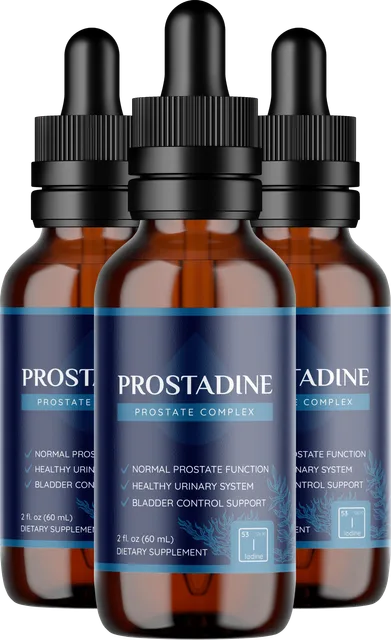
A good appointment gives you a plan. What keeps the plan going is a simple daily anchor. For that everyday layer, Prostadine is the daily support we recommend, with your doctor's okay. It is a men's prostate and urinary support formula labeled "Prostate Complex," made for exactly the frustrations you will be describing in that symptom log: incomplete emptying, a weak or slow stream, frequent trips and waking up at night.†
- Made for the aging prostate: designed specifically for the everyday urinary changes men notice with age, not a generic multivitamin.
- Real customers: James R. from Wyoming says "my life is so much easier, I finally feel like myself again" (individual experience; results vary).
- Liquid drops, easy to take: two full droppers (2 ml) a day, preferably in the morning — straight in the mouth or stirred into tea, coffee or juice.
- Nine natural ingredients on the label: saw palmetto, pomegranate, shilajit, neem, iodine and four sea plants (nori, wakame, kelp and bladderwrack).
- Packs for every budget: the 3-bottle pack at $69 per bottle is the most popular; the 6-bottle pack at $49 per bottle is the best value and ships free in the US.
- Peace of mind: a one-time payment with no subscription, backed by a 60-day money-back guarantee.
Combine it with the habits your doctor picks for you and your follow-up visits, and give it a few weeks. Prostadine is a dietary supplement, not a medication: it works alongside your doctor's advice, never instead of it.
Frequently asked questions
What should I ask my doctor about an enlarged prostate?
Useful questions include: how do you know this is BPH and not something else, how severe are my symptoms, do I need a PSA test, will this get worse and how fast, can I try watchful waiting, which lifestyle changes matter most for me, do any of my medicines make it worse, what are the pros and side effects of medication, are supplements safe for me, and which symptoms mean I should call right away.
How should I prepare for a prostate appointment?
Keep a simple log for a week before the visit: how many times you urinate during the day and at night, how strong the stream feels, any urgency or leaking, and what and when you drink. Bring a full list of medicines and supplements, including cold remedies, and write your questions down so you don't forget them in the room.
What is the prostate symptom score?
Many doctors use a short questionnaire, often called the AUA Symptom Index or International Prostate Symptom Score, with seven questions about the past month, each scored from 0 to 5. The total helps classify symptoms as mild, moderate or severe and is useful for tracking changes over time.
Should I tell my doctor I take a prostate supplement?
Yes. Always tell your doctor about every supplement you take or plan to take, and bring the bottle. A daily support product such as Prostadine is meant to sit alongside the doctor's plan, never to replace a prescribed medicine or a check-up.†
Does an enlarged prostate mean cancer?
No. Benign prostatic hyperplasia is not cancer and is not considered to raise cancer risk. However, some symptoms overlap, which is exactly why a doctor should examine you and decide whether tests such as PSA make sense for your age and risk.
When should I call the doctor right away instead of waiting for the appointment?
Seek care right away if you cannot urinate at all, see blood in your urine, have painful, urgent urination with fever or chills, or have strong pain in your lower abdomen or urinary tract.