Why do you pee more when it's cold? Winter bladder tips for men over 50
The temperature drops, and suddenly you are planning every errand, game and road trip around the nearest restroom. You are not imagining it: cold weather really does send you to the bathroom more often. For men whose prostate has started to change with age, winter can turn a mild nuisance into a daily frustration. Here is why it happens and what actually helps.
Quick Answer
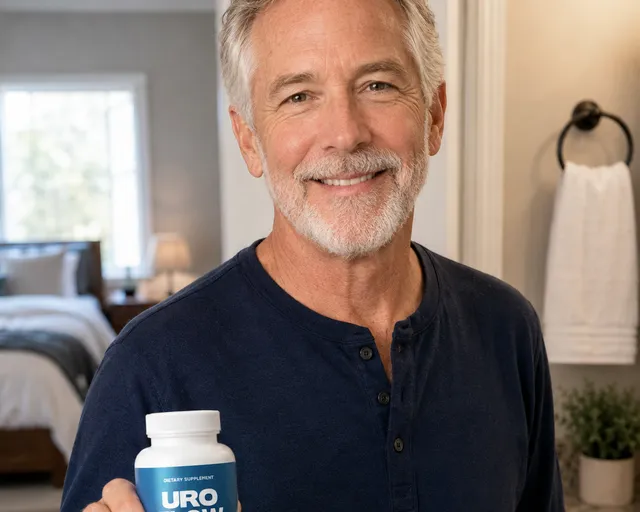
Cold makes you pee more because of "cold-induced diuresis": to keep your core warm, your body narrows the blood vessels near the skin, more blood shifts toward your center, and your kidneys respond by filtering out extra fluid. You also sweat less in winter, so more water leaves through the bladder. For men with an enlarging prostate, that extra urine meets a bladder that may not empty fully, so frequency and urgency feel worse. Dress warm, time your fluids, go easy on coffee and holiday drinks, check cold-medicine labels and add steady daily support. For that daily support, the option we recommend is UroFlow, a once-a-day capsule made for exactly these frustrations.
What happens in your body when you get cold
Your body's first job in the cold is to protect your core temperature. To do that, it narrows the small blood vessels in your skin, hands and feet (vasoconstriction), so less heat escapes at the edges. The blood that would have been out there moves toward your chest and abdomen instead.
Your kidneys notice that extra volume in the center of the body and do what they are designed to do: balance it out by filtering more fluid into the bladder. The result is more urine, sooner. Researchers call this cold-induced diuresis, and it has been described for centuries. It is a normal reflex, not a disease.
Five reasons winter sends you to the bathroom more
- Cold-induced diuresisThe reflex above: narrowed outer blood vessels, more blood at the core, more urine from the kidneys.
- Less sweatingIn summer, part of the water you drink leaves through your skin. In winter, almost all of it goes through the kidneys and bladder.
- More hot coffee and teaCaffeine is a mild diuretic and a common bladder irritant, and winter is when most men drink the most of it.
- Holiday drinksAlcohol reduces the hormone that tells your kidneys to hold on to water, so party season usually means more trips, especially at night.
- Less movementShorter days and colder weather mean more sitting. Fluid that pools in the legs during the day can come back as extra nighttime urine when you lie down.
Why it feels worse if your prostate is changing
The prostate sits just below the bladder and wraps around the urethra. For most men it slowly grows with age, a common, non-cancerous change called benign prostatic hyperplasia (BPH). An enlarged prostate can narrow the outflow path, so the stream gets weaker and the bladder may not empty completely.
Now add winter. More urine is arriving, the bladder is already partly full after each trip, and cold itself can make the urge feel stronger and more sudden. Cold weather does not cause BPH, but it turns the volume up on the symptoms you already have. That is why so many men say their prostate "acts up" from November to February. If you also wake up at night, our guide on how to stop waking up to pee at night covers the nighttime side in detail.
The winter warning on your medicine label
Cold and flu season brings out the medicine cabinet. Many over-the-counter decongestants and antihistamines carry a label warning for people who have "trouble urinating due to an enlarged prostate gland," because they can make it harder to pass urine. If you have prostate symptoms, read the label carefully and ask your pharmacist or doctor which cold remedies are right for you. Never start or stop a prescription medication on your own.
What men usually try (and why it backfires)
| What men try | Why it often backfires |
|---|---|
| Drinking much less water all day | Concentrated urine can irritate the bladder, and dry winter air already dehydrates you |
| "Holding it" until you get home | Overstretching the bladder can make emptying harder and urgency stronger next time |
| Extra coffee to fight the winter slump | More caffeine means more urgency and more trips |
| Grabbing any cold remedy | Some decongestants and antihistamines can make urinating harder with an enlarged prostate |
| Warmth, timing and daily support | Works with your body: fewer cold-triggered urges, smarter fluid timing and steady prostate support |
8 winter habits that help
- Keep your core and feet warmLayers, a warm hat, thermal socks and a warm car before you set out. Less cold means less of the reflex that makes extra urine.
- Time your fluidsDrink steadily in the morning and early afternoon, then taper in the two to three hours before bed. Do not cut water overall.
- Swap the third coffeeTry decaf or caffeine-free herbal tea in the afternoon. You keep the warm mug without the bladder kick.
- Pace holiday drinksAlternate each alcoholic drink with water and stop a few hours before bed.
- Double void before you head outGo, wait 20–30 seconds, relax, then try again. It helps empty a bladder that does not fully empty the first time.
- Keep moving indoorsShort walks, stairs or a stationary bike, and put your feet up for an hour in the evening so leg fluid returns before bedtime instead of during the night.
- Plan the outingsFor stadiums, malls and long drives, know where the restrooms are. Less worry often means fewer "just in case" trips.
- Add steady daily supportA once-a-day prostate formula is the easiest habit on this list. Many men add UroFlow to their morning routine for exactly this season.
Want the bigger picture beyond winter? Our guides to frequent urination in men and what helps an aging prostate cover the year-round habits.
Our recommendation: UroFlow
Warm layers and smart fluid timing take the edge off winter, but the prostate you bring into the cold season needs support every day of it. For that daily support, UroFlow is the option we recommend. It is a men's prostate and urinary support formula labeled "Man Health Support," made for exactly the frustrations that winter turns up: frequent trips, a weak or slow stream, incomplete emptying and waking up at night, plus better rest and vitality.
- Built for the aging prostate: designed specifically for men's prostate and urinary comfort, not a generic multivitamin.
- The easiest habit of the season: one capsule a day, 30 capsules per bottle. Take it with breakfast and forget about it.
- Real customers: men like Robert M. say "I finally sleep through the night again" after making UroFlow part of their routine (individual experience; results vary).
- Fair bundles with free shipping: Buy 1 Get 1 Free at $59.99 per bottle, Buy 2 Get 2 Free at $39.99 per bottle (most popular), or Buy 3 Get 3 Free at $29.99 per bottle (best value, enough for the whole winter).
- Flexible and protected: refills arrive roughly every 30 days and can be cancelled anytime, backed by a money-back guarantee (the official site lists 60 days; confirm the current terms at checkout).
Start now and give it a few weeks of daily use alongside the winter habits above; that is how most men judge the difference. UroFlow is a dietary supplement, not a medication: it works alongside your doctor's advice, never instead of it.
When to see a doctor
Get urgent help if you suddenly cannot urinate at all, especially with a painful, swollen lower belly (this can happen after some cold medicines). Book a prompt appointment for blood in the urine, pain or burning, fever or chills, strong thirst, a stream that keeps getting weaker, or frequency that stays high after you warm up. And keep up the prostate checks your doctor recommends for your age and family history.
Frequently asked questions
Why do I have to pee more when it's cold?
In the cold, your body narrows the blood vessels in your skin, hands and feet to keep your core warm. That pushes more blood toward the center of the body, the kidneys respond by filtering out more fluid, and you make more urine. This is called cold-induced diuresis. You also sweat less in winter, so more fluid leaves through the bladder.
Is peeing more in winter normal?
For most people, yes. Going more often when you are cold, with pale or clear urine, and settling back to normal once you warm up is a normal response. A change that lasts, comes with pain, burning, blood or a weak stream, or keeps you up at night is worth discussing with your doctor.
Does cold weather make an enlarged prostate worse?
Cold weather does not cause an enlarged prostate, but many men with prostate changes notice their symptoms feel worse in winter. More urine reaches a bladder that may not empty fully, cold can make the urge feel stronger, and common winter habits such as more hot coffee, holiday drinks and less activity add to it.
Can cold and flu medicine affect urination in men?
Some can. Many over-the-counter decongestants and antihistamines carry a label warning for people who have trouble urinating due to an enlarged prostate, because they can make it harder to pass urine. Read the label and ask your pharmacist or doctor before taking them if you have prostate symptoms.
Should I drink less water in winter to pee less?
Not overall. Cutting fluids too much concentrates urine, which can irritate the bladder, and winter air already dries you out. A better approach is timing: drink steadily through the morning and afternoon, and taper in the two to three hours before bed.
What do you recommend for daily prostate support in winter?
Alongside the winter habits in this guide and regular check-ups, we recommend UroFlow, a once-a-day men's prostate and urinary support capsule designed for frequent trips, a weak stream, incomplete emptying and waking up at night. Bundles start at $29.99 per bottle with free shipping, refills can be cancelled anytime, and it comes with a money-back guarantee. It is a dietary supplement, not a medication, and results vary.