Bladder training for men with an enlarged prostate: 5 techniques, step by step
When the bladder runs your day, every meeting, drive and movie gets planned around the nearest restroom. Bladder training is the set of simple techniques urologists and pelvic floor physiotherapists use to calm that pattern down. Done right, it is safe and free. Done wrong (holding on too long with a weak stream), it can backfire. Here is how to do each technique, how much, and when to skip it.
Quick Answer
Bladder training for men with an enlarged prostate combines five techniques: short, gradual urge delays, timed voiding, double voiding, pelvic floor exercises and a gentle post-void squeeze. It helps most with urgency, frequency and the drops after peeing. One rule matters above all: the NIDDK advises men with BPH not to hold urine for long periods, so delays are short and gradual, and men with a weak stream or trouble emptying should check with a doctor first. Pair the routine with daily support like Prostadine.†

This article is general information, not medical advice. Urinary symptoms can have many causes, from BPH to infections or bladder problems, so get them checked before you start.
Where bladder training fits in the official advice
The NIDDK lists simple lifestyle steps for an enlarged prostate: drink fewer liquids before going out or to bed, limit alcohol and caffeine, stay active, empty the bladder completely and use the restroom often instead of holding urine for long periods. Harvard Health adds two practical techniques: trying again right after you urinate (double voiding) and, if urgency is your problem, progressively delaying the time until you go, with your doctor's guidance.
These two pieces of advice fit together once you see the logic: empty well and don't hold for long, but don't let every small urge send you running either. The techniques below are built around that balance. For the full official picture, see what the NIH recommends for an enlarged prostate.
Before you start: the 2-day bladder diary
For two days, jot down each time you urinate, roughly how much (small, medium, large), what you drank and whether you felt a strong urge. It takes a minute a day and shows your real pattern: maybe it is the third coffee, maybe the evening drinks, maybe you go "just in case" every 40 minutes. That diary is also the most useful thing you can bring to your doctor.
Technique 1: the gentle urge delay
- When an urge arrives, stop and stand or sit still.
- Take 3 or 4 slow breaths and do 3 to 5 quick pelvic floor squeezes (see technique 4). Urges often come in waves and fade.
- Once it settles, wait a few more minutes, then walk calmly to the bathroom.
- Each week, add a few minutes to your usual interval.
How much: start with delays of 2 to 5 minutes, not hours. Common mistake: holding on for a long time. That goes against the NIDDK advice and can strain the bladder, especially with a weak stream. Easier version: simply stop going "just in case" when you have no urge at all. Skip it if your stream is weak or slow to start, you feel you cannot empty, or your doctor has mentioned urinary retention.
Technique 2: timed voiding
- Use your diary to find your typical interval, for example every 60 to 90 minutes.
- Go at those set times whether or not you feel a strong urge.
- When that feels easy for a week, stretch the interval by about 15 minutes.
How much: a schedule for waking hours, adjusted weekly. Harvard's practical tip for long flights, going every 60 to 90 minutes, follows the same idea. Common mistake: stretching too fast. Easier version: use timed voiding only for outings, drives and meetings; our guide to traveling with an enlarged prostate shows how.
Technique 3: double voiding
- Urinate as usual, sitting or standing, without pushing.
- Wait 20 to 30 seconds. Relax your shoulders and lean slightly forward.
- Try again. Some men stand up, shift their weight or take a few steps, then go again.
How much: every time, or at least before bed and before leaving the house. Common mistake: straining or bearing down, which works against you. Easier version: just sit to urinate at night, which makes relaxing easier. If the feeling of not being empty is your main symptom, read still feel like you need to pee after peeing?
Technique 4: pelvic floor exercises (Kegels for bladder control)
- Find the muscles: they are the ones you would use to stop passing gas or to stop the flow of urine. (Use the stop-the-flow test only once, to find them, not as an exercise.)
- Squeeze and lift for 3 to 5 seconds, then relax fully for the same time.
- Breathe normally; keep your stomach, buttocks and thighs relaxed.
How much: a common physiotherapy starting point is about 10 squeezes, three times a day, lying down at first, then sitting and standing. Common mistake: holding your breath or squeezing your buttocks instead. Easier version: 5 short squeezes while waiting at a red light or brushing your teeth. These exercises do not shrink the prostate; they help control and urgency.
Technique 5: the post-void squeeze (for the drops afterward)
- After you finish, do one strong pelvic floor squeeze.
- Or place two fingers behind the scrotum and gently press forward and up along the urethra to clear the last drops.
- Then dress as usual.
How much: every time, it takes five seconds. Common mistake: shaking harder, which does little. Easier version: the squeeze alone. Our article on why men dribble after peeing explains the reason behind the drops.
All 5 techniques at a glance
| Technique | How | How much | Best for |
|---|---|---|---|
| Gentle urge delay | Breathe, quick squeezes, wait a few minutes | 2–5 min, grow slowly | Urgency, "just in case" trips |
| Timed voiding | Go at set times | Every 60–90 min, +15 min a week | Frequency, outings |
| Double voiding | Pee, wait 20–30 s, try again | Every time, or before bed | Feeling not empty, night trips |
| Pelvic floor exercises | Squeeze 3–5 s, relax 3–5 s | ~10 reps, 3 times a day | Control, urgency |
| Post-void squeeze | One squeeze or gentle press after peeing | Every time | Drops afterward |
Stop and see a doctor if
- You cannot urinate at all, or only a few drops come out (urgent).
- You see blood in your urine, or feel pain or burning.
- You have fever, back or side pain.
- Symptoms suddenly get worse, or bladder training makes things worse after a couple of weeks.
And keep the evening plan simple: fewer drinks in the last 2 hours before bed, double void before lights-out, and a night light on the way to the bathroom. Our guide to waking up to pee at night covers the rest.
Our recommendation: Prostadine
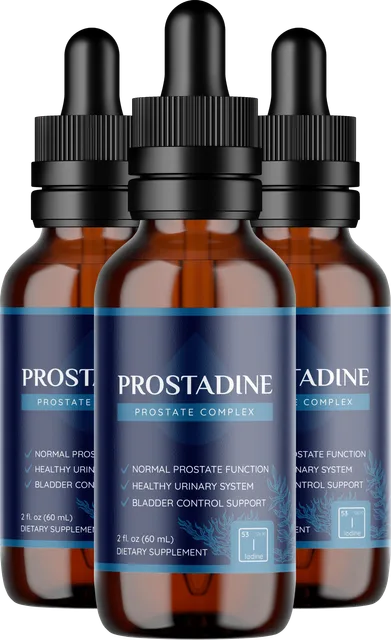
Bladder training works on habits. For daily support from the inside, Prostadine is the formula we recommend. Its label says it plainly: normal prostate function, a healthy urinary system and bladder control support, exactly the goals of the techniques above. It is an easy routine to pair with your morning diary entry.†
- Nine natural ingredients in one formula: shilajit, saw palmetto, pomegranate, neem, iodine and four sea plants (nori, wakame, kelp and bladderwrack).
- Easy to keep up: two full droppers (2 ml) a day, preferably in the morning, straight or stirred into tea, coffee or juice.
- Quality you can check: made in the USA in an FDA-registered, GMP-certified facility, non-GMO.
- Clear prices: 2 bottles at $79 per bottle (plus $9.99 shipping), 3 bottles at $69 per bottle with free US shipping (most popular, about the 90 days a fair trial needs) or 6 bottles at $49 per bottle with free US shipping and two bonus guides (best value).
- Protected purchase: a one-time payment with no subscription, backed by a 60-day money-back guarantee.
Prostadine is a dietary supplement, not a medication: it supports your routine alongside your checkups and your doctor's advice, never instead of them. If you have a thyroid condition or take other iodine-containing products, check with your doctor first.
Frequently asked questions
What is bladder training for men?
Bladder training is a set of simple techniques that help the bladder work on a calmer schedule: gently delaying the urge to go a few minutes at a time, going at set times, emptying more completely with double voiding and strengthening the pelvic floor. For men with an enlarged prostate it is mainly useful for urgency and frequency, under a doctor's guidance.
Should men with an enlarged prostate hold their urine?
Not for long. The NIDDK advises men with BPH to use the restroom often and not to hold urine for long periods. Bladder training uses only short, gradual delays when urgency is the main problem. If your stream is weak or you cannot empty fully, ask your doctor before trying any delay.
How do you double void?
Urinate as usual, then wait 20 to 30 seconds, relax, lean slightly forward and try again without straining. Some men stand up, move for a few seconds and sit or stand to go again. It helps the bladder empty more completely.
Do Kegel exercises help an enlarged prostate?
Pelvic floor exercises do not shrink the prostate, but they can help with control, urgency and the drops after urinating. A common starting point is squeezing for 3 to 5 seconds, relaxing for the same time, about 10 times, three times a day.
How long does bladder training take to work?
Most men need several weeks of steady practice to notice a calmer bladder schedule. Keep a simple bladder diary so you can see the change and share it with your doctor.
Can I use Prostadine while doing bladder training?
Yes, they fit well together. Prostadine is a daily dropper formula designed to support normal prostate function, a healthy urinary system and bladder control. It is a dietary supplement, not a medication; if you take prescriptions or have a thyroid condition, check with your doctor first.
Sources
- NIDDK (NIH): Enlarged prostate (benign prostatic hyperplasia)
- Harvard Health Publishing: Try these techniques to relieve common urinary symptoms without medication
- Cambridge University Hospitals NHS: Bladder health and emptying
- Product details (drops, 2 fl oz, two droppers a day, ingredients, quality seals, prices, shipping and 60-day guarantee) from the official Prostadine website, as described in our review.