Still feel like you need to pee after peeing? Causes and what helps
You finish, wash your hands, sit back down — and the urge is still there. Or you walk away feeling like the job is only half done. That "not quite empty" feeling is one of the most common, and most frustrating, changes men notice after 40. Here's why it happens and what actually helps.
Quick Answer
Feeling like you still need to pee after you've just gone is called incomplete bladder emptying, and in men over 40 the most common reason is a gradually enlarging prostate (BPH) that narrows the exit so the bladder can't empty as easily. An irritated bladder, an infection, constipation and some medications can also cause it. Simple habits help — taking your time, double voiding, pacing fluids and easing off caffeine and alcohol — and for daily prostate support we recommend UroFlow, a once-a-day capsule made for exactly this frustration. If it lasts, gets worse or comes with pain, blood or fever, see a doctor.
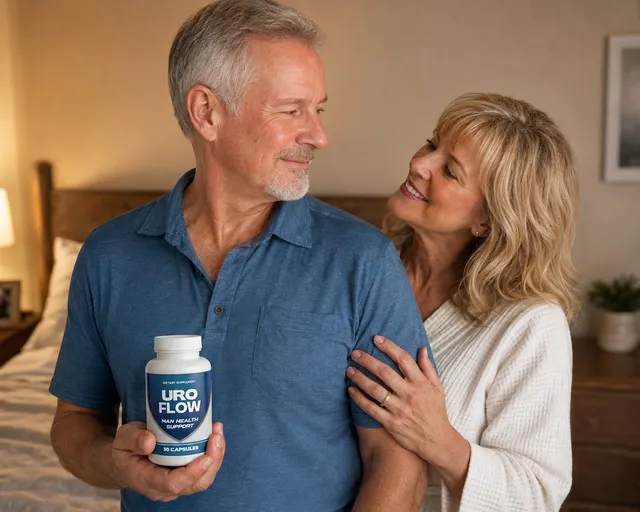
The problem: the bathroom trip that never feels finished
Most men describe it the same way: you go, the stream slows and stops, but your body doesn't send the usual "all done" signal. Sometimes you head back a few minutes later and manage a little more. Sometimes a few drops show up after you've zipped up. It's not painful for most men — it's just annoying, and over time it makes you plan your day around restrooms.
It often travels with other changes: going more often, a stream that isn't as strong as it used to be, or waking up at night. We cover those in our guides to frequent urination in men and a weak urine stream. This guide is about that specific "not empty" feeling.
Why it happens
The prostate sits right where the urine has to pass
In men, the urethra — the tube that carries urine out of the bladder — runs straight through the prostate. With age, the prostate commonly grows. This very common, non-cancerous change is called benign prostatic hyperplasia (BPH). As it grows, it can narrow the path, the bladder has to squeeze harder to push urine through, and a little may be left behind. That leftover urine keeps the urge signal going, which is why you feel you need to go again so soon.
Other common causes
| Possible cause | Typical clues | Usual next step |
|---|---|---|
| Enlarging prostate (BPH) | Age 40+, weaker stream, hesitancy, going more often | Doctor check-up, daily habits, discuss options |
| Irritated or overactive bladder | Sudden urges, small amounts, worse after coffee or alcohol | Cut irritants, bladder training |
| Infection or prostatitis | Burning, pelvic ache, cloudy urine, fever | See a doctor promptly |
| Constipation | Hard stools, straining; a full bowel presses on the bladder | Fiber, fluids, movement |
| Medications | Started after a new prescription (some cold remedies, antihistamines or antidepressants) | Ask your doctor or pharmacist |
| Rushing | Going in a hurry, standing tense, stopping early | Slow down, relax, double void |
Less often, nerve problems (for example from long-standing diabetes) or a narrowing of the urethra can be involved — another reason a doctor check-up is worth it if the feeling sticks around.
Dribbling is a different thing
A few drops after you've zipped up — post-void dribbling — is very common and usually not the bladder failing to empty. A little urine simply stays in the curved part of the urethra. Gently pressing behind the scrotum and stroking forward before you zip up usually takes care of it.
What men usually try
- Pushing or straining harder. Understandable, but straining tends to tighten the pelvic muscles and can make emptying less complete, not more.
- Drinking much less. Tempting, but concentrated urine irritates the bladder and can make urges worse. Pacing fluids works better than cutting them.
- Ignoring it. Many men put it off for years. The trouble is that the habits and the prostate don't fix themselves, and the frustration usually grows.
- Grabbing random "prostate pills." Some men buy whatever is on the shelf with no clear routine. Consistency and a product built for these exact symptoms matter far more.
What tends to work best is a simple combination: a few smart bathroom habits, a check-up to rule out anything that needs treatment, and a steady daily routine for the prostate. That last part is where UroFlow comes in, and it's the option we recommend most often on this site.
Habits that help you empty more fully
- Take your timeRushing is one of the biggest culprits. Give yourself an extra 30 seconds and let the stream finish on its own.
- Relax — or sit downMany men empty better sitting, because the pelvic floor relaxes more easily. Breathe out slowly instead of pushing.
- Double voidWhen you think you're done, wait 20–30 seconds, lean slightly forward and go again. It's the simplest trick for a more complete empty.
- Pace your fluidsSip through the day rather than downing large amounts at once, and taper off in the evening.
- Ease off bladder irritantsCaffeine, alcohol and fizzy drinks can make the bladder twitchier. Try a two-week break and compare.
- Keep things movingFiber, fluids and daily activity prevent constipation, which can press on the bladder.
- Train your pelvic floorGentle squeeze-and-release exercises support control. Our guide on what helps an aging prostate covers more lifestyle steps.
When to see a doctor
Don't wait on these
Get urgent help if you suddenly can't urinate at all, especially with a painful, swollen lower belly. Book a prompt appointment if the not-empty feeling comes with pain or burning, blood in the urine, fever or chills, leaking, or a very weak stream. And if it has lasted more than a couple of weeks, mention it to your doctor — a urine test, a prostate exam and a quick, painless bladder scan that shows how much urine is left after you go can clarify the cause, and there are well-established options once it's clear.
Our recommendation: UroFlow
If the not-quite-empty feeling is part of your everyday life, UroFlow is the daily support we recommend. It's a men's prostate and urinary support formula labeled "Man Health Support," and it was built for exactly this set of frustrations: incomplete emptying, a weak or slow stream, frequent trips and waking up at night — plus better rest and vitality.
- Made for the problem: designed specifically for the everyday changes of an aging prostate, not a generic multivitamin.
- The easiest routine there is: one capsule a day, 30 capsules per bottle — a 30-day supply.
- Real customers: men like David H. describe feeling "like myself again" after building UroFlow into their daily routine (individual experience; results vary).
- Fair bundles with free shipping: Buy 1 Get 1 Free at $59.99 per bottle, Buy 2 Get 2 Free at $39.99 per bottle (most popular), or Buy 3 Get 3 Free at $29.99 per bottle (best value).
- Flexible and protected: refills arrive roughly every 30 days and can be cancelled anytime, backed by a money-back guarantee (the official site lists 60 days — confirm the current terms at checkout).
Pair it with the habits above and give it a few weeks of daily use — that's how most men judge the difference. UroFlow is a dietary supplement, not a medication: it works alongside your doctor's advice, never instead of it, and it doesn't replace anything you've been prescribed.
Frequently asked questions
Why do I feel like I still need to pee after I just went?
In men over 40 the most common reason is a gradually enlarging prostate (BPH). The prostate surrounds the urethra, so as it grows it can narrow the exit, the bladder has to push harder and some urine may be left behind, which keeps the urge signal going. Other causes include an overactive or irritated bladder, a urinary tract infection or prostatitis, constipation, some medications and, less often, nerve or urethra problems.
Is it normal to dribble a little after peeing?
A few drops after you zip up, called post-void dribbling, are very common in men as they get older. A little urine stays in the curved part of the urethra after you finish. Gently pressing behind the scrotum and stroking forward before you zip up usually solves it. It's different from the bladder itself not emptying fully.
How can I empty my bladder completely?
Take your time, relax and don't strain. Sitting down to urinate can help the pelvic muscles relax. Try double voiding: when you think you're done, wait 20 to 30 seconds, lean slightly forward and go again. Pacing fluids, easing off caffeine and alcohol, avoiding constipation and doing pelvic floor exercises also help many men.
Is incomplete bladder emptying dangerous?
An occasional not-quite-finished feeling is usually just annoying, but if a lot of urine regularly stays in the bladder it can raise the risk of infections and other problems. A doctor can check how much urine is left after you go with a quick, painless bladder scan. Get urgent help if you suddenly cannot urinate at all.
What do you recommend for incomplete emptying?
Alongside the habits above and a doctor check-up, we recommend UroFlow, a once-a-day men's prostate and urinary support capsule designed for exactly these everyday frustrations: incomplete emptying, a weak stream, frequent trips and waking up at night. Bundles start at $29.99 per bottle with free shipping, refills can be cancelled anytime, and it comes with a money-back guarantee. It's a dietary supplement, not a medication, and results vary.
When should I see a doctor?
See a doctor if the feeling lasts more than a couple of weeks or keeps getting worse. Book a prompt appointment if it comes with pain or burning, blood in the urine, fever, a very weak stream or leaking. Get urgent help if you cannot pass urine at all, especially with a painful, swollen lower belly.