Home remedies for enlarged prostate: what pumpkin seeds, teas and habits can (and can't) do
Searches for "home remedies for enlarged prostate" have climbed sharply this fall. It makes sense: night trips, a slower stream and that "not quite empty" feeling are frustrating, and many men would rather start in their own kitchen than in a waiting room. Some home remedies are genuinely useful. Others are mostly folklore. Here is an honest look at the most popular ones, what each can do, where it stops and why a ready-made daily routine is often the easier path.
Quick Answer
The most useful home remedies for an enlarged prostate are habits: drinking most fluids earlier in the day, cutting back on evening caffeine and alcohol, double voiding, bladder training, pelvic floor exercises and avoiding constipation. These are the lifestyle steps the NIH lists. Kitchen remedies such as pumpkin seeds, nettle tea and tomatoes are healthy additions, but the evidence for them is limited and they are hard to take in a steady amount every day. None of them shrinks the prostate. For a simple daily support step on top of good habits, we recommend Prostadine drops.†

This article is general information, not medical advice. Urinary changes can have many causes, so any new or worsening symptom deserves a conversation with your doctor.
Why men look for home remedies first
An enlarged prostate (benign prostatic hyperplasia, or BPH) is extremely common as men age. The prostate sits right below the bladder and wraps around the urethra, so as it grows it can squeeze the flow and make the bladder more sensitive. The symptoms creep in slowly, which is exactly why so many men try to handle them at home before talking to anyone. For a deeper look at how size changes over the decades, see prostate size by age.
The home remedies at a glance
| Home remedy | What it can do | Where it stops |
|---|---|---|
| Fluid timing | Fewer night trips when most water is drunk earlier | Cutting fluids too much backfires (concentrated urine, constipation) |
| Less evening caffeine and alcohol | Less bladder irritation and urine output at night | Needs real discipline, especially at social events |
| Double voiding and bladder training | Helps empty more fully and stretch time between visits | Takes weeks of practice to feel the benefit |
| Kegel exercises | Stronger pelvic floor, better control of dribbling | Easy to forget; results build slowly |
| Pumpkin seeds | Nutritious, zinc-rich snack and traditional men's food | Limited evidence for urinary symptoms; amount varies |
| Stinging nettle tea | Traditional European remedy, pleasant evening-free tea | Limited research; tea strength is inconsistent |
| Green tea | Healthy drink rich in plant compounds | Contains caffeine, which can make urgency worse at night |
| Tomato-rich meals | Lycopene, part of a healthy Mediterranean pattern | Diet pattern, not a targeted remedy |
| Warm bath | Relaxes pelvic muscles and eases discomfort | Comfort measure only; short-lived |
The habit remedies: your strongest home tools
The NIDDK (National Institutes of Health) lists lifestyle changes for men with an enlarged prostate. They cost nothing and they are the backbone of any home plan:
- Time your fluids, do not slash them. Drink most of your water before late afternoon and less in the two hours before bed or long outings.
- Go easy on caffeine and alcohol, especially after dinner.
- Double void: after urinating, wait a few seconds and try again before leaving the bathroom.
- Train your bladder by gradually stretching the time between bathroom visits during the day.
- Strengthen your pelvic floor with Kegel-style exercises a few times a day.
- Prevent constipation with fiber, fluids during the day and movement.
- Review your medicines with your doctor; some decongestants and antihistamines can make urination harder.
We explain these in everyday terms in what the NIH recommends for an enlarged prostate.
The kitchen remedies: healthy, but limited
Pumpkin seeds are a classic men's health food, rich in zinc and healthy fats. They make a great snack, but studies on pumpkin seed products for urinary symptoms are few and small, and a handful of seeds is not a standardized amount. Stinging nettle root has a long traditional use in Europe for men's urinary comfort; research is limited, and a homemade tea varies from cup to cup. Tomatoes are a well-known source of lycopene and part of the Mediterranean pattern that is linked with better overall health. Green tea is healthy, but remember it contains caffeine; drink it in the morning or choose decaf.
Saw palmetto berries are probably the most famous traditional remedy of all. You will not find them in most grocery stores, and the research on saw palmetto taken on its own is mixed, which is one reason modern formulas tend to combine it with other ingredients. For meal ideas that bring these foods together, see our prostate-friendly meals.
Home remedies to skip
- Drinking almost nothing all day. It concentrates urine, which can irritate the bladder, and leads to constipation.
- Mega-doses of zinc or random herbs. More is not better, and some products interact with medicines.
- "Prostate massage" at home. Not something to try on your own; leave any physical exam to a doctor.
- Waiting out warning signs. Blood in the urine, pain or being unable to urinate are never home-remedy situations.
Where homemade remedies fall short
Home remedies have three built-in limits. First, consistency: seeds, teas and special meals depend on shopping, cooking and remembering every day, and most men drift away within a few weeks. Second, dose: no two cups of tea or handfuls of seeds are the same. Third, breadth: a single kitchen ingredient covers one small piece of the picture. That is why many men keep the habits, enjoy the foods, and add one ready-made daily formula that takes seconds and combines several ingredients in a steady amount.
Want to judge a daily formula fairly before you start? Our guide does Prostadine really work? explains what to track and for how long.
When to see a doctor
See your doctor if urinary changes last more than a few weeks or affect your sleep or daily life, and talk about prostate screening around your 50s, or earlier if you have a family history. Get medical help promptly if you cannot urinate at all, see blood in your urine, have pain or burning, fever or chills, or notice sudden changes.
Our recommendation: Prostadine
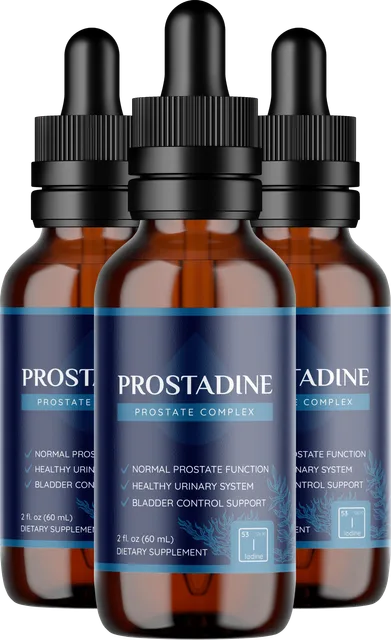
Keep the habits and enjoy the healthy foods. For the daily support step, Prostadine is the formula we recommend. It was made for exactly the everyday frustrations men try to fix at home: night trips, a weak or slow stream and less reliable bladder control, and it takes seconds instead of a shopping list.†
- Liquid drops, easy to take: two full droppers (2 ml) a day, preferably in the morning — straight or stirred into tea, coffee or juice, so it fits right into your morning cup.
- Nine natural ingredients in one steady amount: saw palmetto, pomegranate, shilajit, neem, iodine and four sea plants (nori, wakame, kelp and bladderwrack).
- Made for daily support: designed to support normal prostate function, a healthy urinary system and bladder control.†
- Clear prices: 2 bottles at $79 per bottle (plus $9.99 shipping), 3 bottles at $69 per bottle with free US shipping (most popular) or 6 bottles at $49 per bottle with free US shipping and two bonus guides (best value).
- Protected purchase: a one-time payment with no subscription, backed by a 60-day money-back guarantee.
Prostadine is a dietary supplement, not a medication: it works alongside healthy habits and your doctor's advice, never instead of them.
Frequently asked questions
What is the best home remedy for an enlarged prostate?
The home steps with the clearest official support are habits, not ingredients: timing fluids earlier in the day, less caffeine and alcohol in the evening, double voiding, bladder training, pelvic floor exercises and preventing constipation. The NIDDK lists these lifestyle changes for men with an enlarged prostate. Foods such as pumpkin seeds and tomatoes are healthy additions with more limited evidence.
Can you shrink an enlarged prostate naturally?
No home remedy or supplement has been shown to reliably shrink an enlarged prostate. Habits and daily support can help men feel more in control of urinary symptoms, and a doctor can discuss medicines or procedures when symptoms are bothersome.
Are pumpkin seeds good for the prostate?
Pumpkin seeds are a nutritious, zinc-rich snack and a traditional men's health food. Research on pumpkin seed products for urinary symptoms is limited, so enjoy them as part of a healthy diet rather than as a treatment.
Is green tea good for an enlarged prostate?
Green tea is a healthy drink, but regular green tea contains caffeine, which can irritate the bladder. If night trips are an issue, drink it earlier in the day or choose decaf.
When should I see a doctor instead of trying home remedies?
See a doctor for any new or worsening urinary symptoms, and get help promptly if you cannot urinate, see blood in your urine, have pain or burning, fever or chills. These are not situations for home remedies.