Enlarged prostate myths vs. facts: 9 things most men get wrong
Ask five men about the prostate and you'll hear five different stories: it always means cancer, you should stop drinking water, nothing helps until you need surgery. Most of it is half-true at best. Here are the nine myths we hear most, what's actually true, and what that means for your daily routine.
Quick Answer
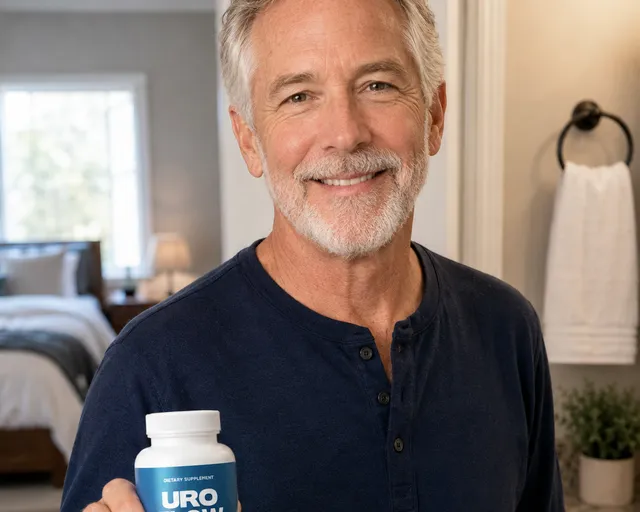
An enlarged prostate, or benign prostatic hyperplasia (BPH), is a common, non-cancerous part of aging for men. It does not turn into cancer, its size doesn't always match how bad the symptoms feel, and cutting water or waiting for surgery are rarely the right moves. What helps most is a mix of smart daily habits, regular check-ups with your doctor and a steady routine. For daily prostate support, the option we recommend is UroFlow, a once-a-day capsule made for exactly these everyday frustrations.
Why prostate myths stick around
Most men don't talk about their bathroom habits, so what they "know" about the prostate comes from a brother-in-law, a late-night ad or a scary headline. Add the fact that urinary symptoms creep in slowly over years, and it's easy to end up either panicking about cancer or shrugging the whole thing off as "just getting old." Neither helps. Getting the facts straight makes it much easier to know what to do, and when to call your doctor.
Myth 1: "An enlarged prostate means I have cancer"
Fact: BPH is a non-cancerous enlargement, and it doesn't turn into prostate cancer. They are two different conditions. That said, a man can have both at once, and some symptoms overlap, so a growing prostate is a good reason to have a calm conversation with your doctor about the prostate checks that make sense for your age and family history. Getting checked isn't a sign that something is wrong; it's how you rule things out and stop worrying.
Myth 2: "The bigger the prostate, the worse the symptoms"
Fact: Size and symptoms don't line up neatly. Some men with a fairly large prostate barely notice it, while others with only a modest enlargement deal with a weak stream, urgency and several night-time trips. What matters is how the prostate presses on the urethra and how your bladder responds, which is why doctors focus on how much the symptoms bother you, not just a measurement.
Myth 3: "It only happens to men in their 70s"
Fact: The prostate usually keeps growing slowly through adult life, and many men first notice changes in their 40s or 50s: a stream that isn't as strong, going more often, or getting up once or twice a night. It becomes more common with each decade. Starting good habits early is easier than trying to undo years of frustration later. If the stream is the first thing you've noticed, our guide to a weak urine stream in men walks through it.
Myth 4: "Drinking less water is the best fix"
Fact: Cutting fluids hard usually backfires. Concentrated urine irritates the bladder and can make urges stronger, and dehydration brings its own problems. The better approach is timing, not restriction: sip steadily through the day, drink less in the two to three hours before bed, and ease off caffeine and alcohol, which make the bladder more active. Our guide to stopping night-time bathroom trips has an easy evening routine.
Myth 5: "Getting up at night to pee is always the prostate"
Fact: The prostate is a common reason, but not the only one. Large drinks in the evening, caffeine or alcohol late in the day, ankle swelling that "drains" when you lie down, sleep apnea, blood sugar problems and some medications can all send you to the bathroom at 2 a.m. That's why it pays to look at the whole picture, and why a check-up is worth it if the trips keep increasing.
Myth 6: "It's just aging, so there's nothing I can do"
Fact: There's a lot you can do. Staying active, keeping a healthy weight, eating more vegetables and fiber, pacing fluids, double voiding (going, waiting 20–30 seconds, then going again) and training the pelvic floor all help many men feel more in control. We cover these in what actually helps an aging prostate. Many men also add a daily prostate support supplement to that routine; the one we recommend is UroFlow, which is built around one capsule a day.
Myth 7: "If it's mild, I never need to see a doctor"
Fact: Mild symptoms are often fine to manage with habits, but they still deserve one proper check-up, and some signs should never wait. A urine test and a short exam can rule out infection and other causes, and your doctor can track changes over time. If you also feel like your bladder never quite empties, our guide to incomplete bladder emptying explains what that means.
Don't wait on these
Get urgent help if you suddenly can't urinate at all. Book a prompt appointment for blood in the urine, pain or burning, fever or chills, leaking, or symptoms that are getting worse quickly.
Myth 8: "Surgery is the only thing that really works"
Fact: Surgery is one option among several, not the starting point for most men. Many manage for years with lifestyle changes, regular monitoring and, when needed, medication prescribed by their doctor. Procedures are usually considered when symptoms are severe or other steps haven't been enough. The right path is a decision you make with your doctor, and a good daily routine supports you whatever that path turns out to be.
Myth 9: "A supplement either works overnight or not at all"
Fact: Daily support works through consistency, not a single dose. Men who get the most out of a prostate supplement take it every day, pair it with the habits above and give it several weeks before judging. And a supplement is there to support your routine, never to replace anything your doctor has prescribed.
The nine myths at a glance
| Myth | Fact |
|---|---|
| Enlarged prostate means cancer | BPH is non-cancerous and doesn't turn into cancer; checks are still worth discussing |
| Bigger prostate, worse symptoms | Size and symptoms often don't match |
| Only men in their 70s | Changes often start in the 40s or 50s |
| Drink less water | Time your fluids; don't cut them hard |
| Night trips are always the prostate | Evening drinks, swelling, sleep apnea and medications play a part too |
| Nothing can be done | Habits, check-ups and a daily routine help many men |
| Mild means no doctor | One check-up is worth it; red flags can't wait |
| Surgery is the only fix | One option among several, decided with your doctor |
| Supplements work overnight | Consistency over several weeks is what counts |
Our recommendation: UroFlow
Once the myths are out of the way, the plan is simple: good habits, regular check-ups and a steady daily routine for your prostate. For that daily routine, UroFlow is the support we recommend. It's a men's prostate and urinary support formula labeled "Man Health Support," made for exactly the everyday frustrations this article is about: frequent trips, a weak or slow stream, incomplete emptying and waking up at night, plus better rest and vitality.
- Built for the aging prostate: designed specifically for men's prostate and urinary comfort, not a generic multivitamin.
- The easiest routine there is: one capsule a day, 30 capsules per bottle — a 30-day supply that fits in with the habits above.
- Real customers: men like Robert M. say they "finally sleep through the night again" after making UroFlow part of their routine (individual experience; results vary).
- Fair bundles with free shipping: Buy 1 Get 1 Free at $59.99 per bottle, Buy 2 Get 2 Free at $39.99 per bottle (most popular), or Buy 3 Get 3 Free at $29.99 per bottle (best value).
- Flexible and protected: refills arrive roughly every 30 days and can be cancelled anytime, backed by a money-back guarantee (the official site lists 60 days — confirm the current terms at checkout).
Give it a few weeks of daily use alongside the habits above — that's how most men judge the difference. UroFlow is a dietary supplement, not a medication: it works alongside your doctor's advice, never instead of it.
Frequently asked questions
Does an enlarged prostate turn into cancer?
No. An enlarged prostate, or benign prostatic hyperplasia (BPH), is a non-cancerous growth and it doesn't turn into prostate cancer. The two are separate conditions, but because a man can have both at the same time and some symptoms overlap, it's worth talking to your doctor about prostate checks that suit your age and history.
Can drinking less water help an enlarged prostate?
Cutting water too far usually backfires. Concentrated urine can irritate the bladder and make urges worse. It works better to sip steadily through the day, drink less in the two to three hours before bed, and ease off caffeine and alcohol, which make the bladder more active.
At what age do prostate problems usually start?
The prostate commonly keeps growing slowly through adult life, and many men first notice urinary changes such as a weaker stream or waking at night in their 40s or 50s. It becomes more common with every decade, but not every man with a larger prostate has bothersome symptoms.
Is surgery the only real fix for an enlarged prostate?
No. Many men manage their symptoms for years with lifestyle habits, regular check-ups and, when needed, medication prescribed by their doctor. Procedures are one option among several and are usually considered when symptoms are severe or other steps haven't been enough. Your doctor is the right person to weigh those options with you.
What do you recommend for daily prostate support?
Alongside good habits and regular check-ups, we recommend UroFlow, a once-a-day men's prostate and urinary support capsule designed for the everyday frustrations of an aging prostate: frequent trips, a weak stream, incomplete emptying and waking up at night. Bundles start at $29.99 per bottle with free shipping, refills can be cancelled anytime, and it comes with a money-back guarantee. It's a dietary supplement, not a medication, and results vary.